
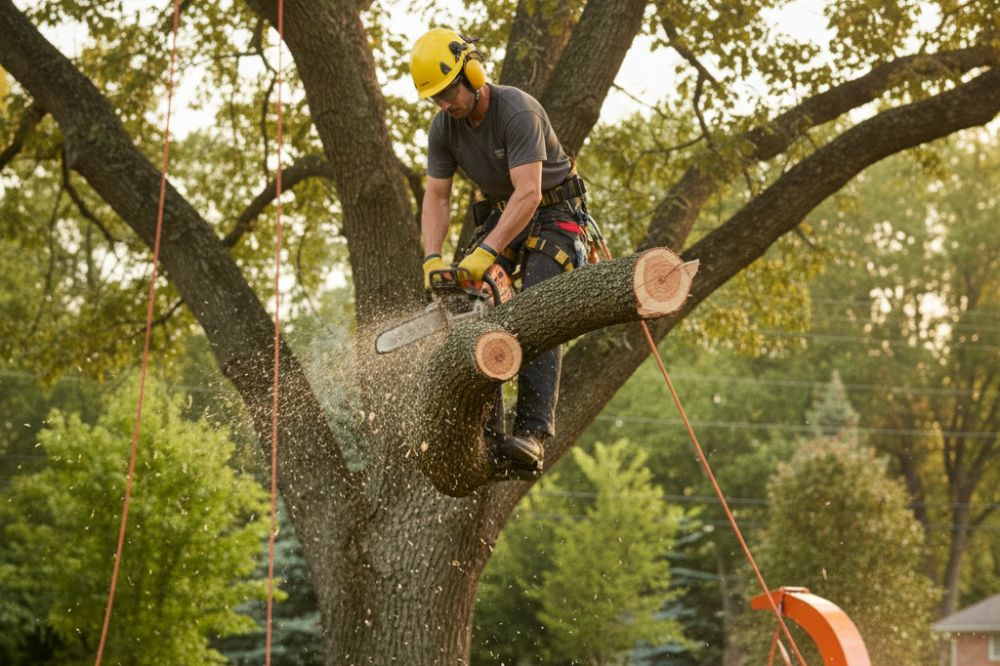
If you have ever wondered about the difference between tree trimming and pruning, you are not alone. Most homeowners use the two words like they mean the same thing. Honestly, that mix-up happens in the tree care business too. But trimming and pruning are two different jobs with two different goals, and knowing which one your tree needs can save you money and keep your trees healthier for years.
Here in Metro Atlanta, we see this mix-up all the time. A homeowner calls asking for a trim when what they really need is a pruning job to fix a structural problem. Someone else asks us to prune their hedges when a simple trim is all that is needed. Let's clear it up.
What Is Tree Trimming?
Tree trimming is mostly about looks and size. It's cutting back overgrown growth so a tree or shrub fits the space it's in. Trimming keeps branches off your roof, away from power lines, and clear of your driveway. It's also what keeps hedges and ornamental trees looking neat.
Trimming usually happens on a schedule. Fast growing trees and shrubs in Georgia's warm, humid climate can need a trim once or twice a year just to keep them in check.
When Trimming Makes Sense
- Branches are brushing against your roof or gutters
- A hedge or ornamental tree has gotten shaggy
- Limbs are creeping toward a power line
- You want a cleaner look before a home sale or a backyard gathering
What Is Tree Pruning?
Pruning is more targeted work. Instead of cutting for shape alone, pruning removes specific branches for the health and structure of the tree. That might mean cutting out dead or diseased wood, thinning a crown so air and light can move through it, or removing a limb that's rubbing against another one and causing damage.
Pruning takes more skill than trimming. You need to know where to cut, how much to remove, and what time of year to do it. Cut in the wrong spot and you can open the tree up to disease or insects. Cut too much at once and you can stress the tree badly. For a full walkthrough of proper technique, see our guide on how to prune a tree the right way.
When Pruning Makes Sense
- A tree has dead, damaged, or diseased limbs
- Branches are crossing and rubbing against each other
- A young tree needs its structure shaped early so it grows strong
- An older oak or pine has gotten dense and needs the crown thinned
Tree Trimming vs. Pruning: The Difference in Plain Terms
Think of it this way. Trimming is about appearance. Pruning is about health. Trimming keeps a tree looking neat and out of your way. Pruning keeps a tree strong from the inside out. That's really the core difference between tree trimming and pruning. Most tree care jobs actually involve a mix of both, since a good crew will shape a tree while also removing problem branches during the same visit.
Why the Difference Matters for Your Georgia Trees
Metro Atlanta's mix of pines and oaks makes this distinction important. Pines don't respond well to heavy pruning. Cut into old wood on a pine and it often will not grow back, which is part of why trimming a pine the wrong way can hurt or kill it. Oaks are tougher, but they still need cuts made at the right time of year to lower the risk of oak wilt, a disease that can spread through fresh wounds in warm months.
Georgia red clay plays a role too. Trees growing in compacted clay soil are often already stressed from tight root space, so an unnecessary pruning cut adds one more strain the tree has to recover from. That's part of why we recommend a look from someone who knows the difference before any big cuts happen, whether you're in Cobb, Fulton, Cherokee, Gwinnett, or Forsyth county.
How Much Does Trimming or Pruning Cost in Atlanta?
Pricing depends on the size of the tree and how much work is involved. As a rough guide for the Atlanta area:
- Basic trimming (small tree or shrub): Often $150 to $450
- Trimming a mature shade tree: Usually $300 to $800
- Structural or health pruning: Can run $400 to $1,200 depending on how much climbing and precision cutting is needed
- Large, hazardous limb pruning near power lines or a house: Often $600 and up because of the extra care and equipment involved
These are general ranges. Every yard is different, and the best way to get a real number is a free on site estimate.
Best Time of Year for Each
Trimming for shape can happen almost any time the tree isn't stressed, though late winter before new growth pushes out is usually easiest on the tree. Pruning for health is more particular. Late winter, while trees are dormant, is generally the safest window for most species around here. Our guide on the best time to trim trees in Atlanta breaks this down season by season if you want more detail.
Signs It's Time to Call a Professional
Small trimming jobs are sometimes fine for a homeowner with the right tools and a step ladder. But once you're talking about pruning, especially anything involving a tall ladder, a large limb, or a cut near a power line, it's worth calling in a pro. A trained crew knows where to cut so the tree heals well instead of inviting rot or pests.
If you're not sure which one your tree needs, our guide on how to tell if your tree is sick can help you spot warning signs before you pick up a saw.
Get the Right Cut for Your Tree
Understanding the difference between tree trimming and pruning helps you ask for the right job and skip paying for work your tree doesn't need. Whether your oak needs a health check or your hedges just need to be knocked back into shape, Stanton Tree Service can take a look and tell you straight what's needed.
Call us at (470) 914-3402 for a free estimate, and we'll walk your property with you before any cutting starts.