
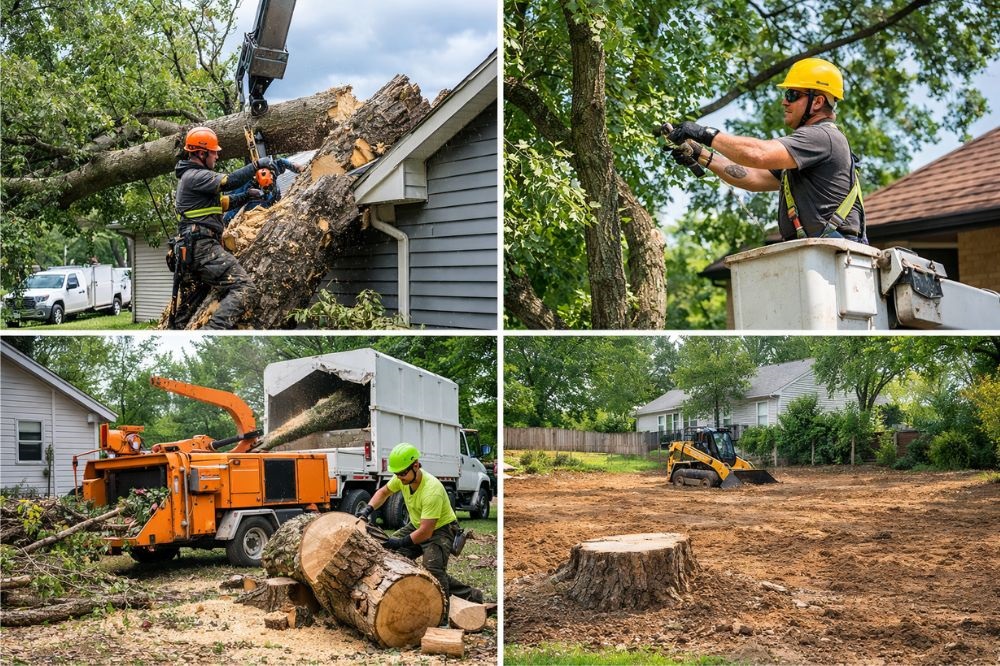
If you've got a big oak or pine you want gone, the first question is usually the same one: do I need a permit to remove a tree in Atlanta? For a lot of Metro Atlanta homeowners, the answer is yes. The City of Atlanta has one of the strictest tree ordinances in the country, and plenty of surrounding cities and counties have their own rules too. Here's how it works in plain terms, and how to avoid a fine you didn't see coming.
So, do I need a permit to remove a tree in Atlanta?
Short answer: often, yes. If you live inside the City of Atlanta and the tree is healthy and over a certain trunk size, you generally can't take it down without a permit or a sign-off from a city arborist. The rules exist to protect Atlanta's tree canopy, which is one of the biggest of any major U.S. city.
This catches a lot of people off guard. A tree on your own property, in your own backyard, can still be protected. The land is yours. The healthy tree standing on it gets treated as part of the city's canopy.
What the City of Atlanta tree ordinance protects
The city's tree protection ordinance covers healthy trees on private property once the trunk hits a certain diameter, measured a few feet off the ground. Below that size, the rules are looser. Above it, the tree is protected and removal usually needs a permit.
The idea is simple. Big, healthy shade trees clean the air, cool your yard, and hold Georgia's red clay in place during heavy rain. The city doesn't want them coming down without a good reason.
When a protected tree does come down, the city often asks for recompense. That means you either plant replacement trees or pay into a tree fund based on the size of what was removed. The bigger the tree, the bigger the number. Exact fees change often, so confirm the current amounts with your local city arborist.
The exceptions: dead, dying, and hazardous trees
Here's the good news. The ordinance isn't there to trap you. There are real exceptions, and most of them are common sense.
You generally have more room to remove a tree when it's:
- Dead, or clearly dying
- Diseased or rotting from the inside
- Leaning hard or split open after a storm
- An immediate hazard to your house, a person, or a power line
Even so, whether a tree counts as dead or dangerous is usually the city's call, not yours. A city arborist or a certified arborist often has to look at it and confirm the problem before it comes down. Not sure whether yours qualifies? Our guide on how to tell if your tree is sick can help you read the warning signs.
Rules and fees vary by city and county
This is the part that trips people up the most. There is no single rulebook for all of Metro Atlanta. The honest answer to do I need a permit to remove a tree in Atlanta depends a lot on which side of a city line you're standing on. A tree removal permit in Atlanta proper follows one ordinance. Cross that line and everything can change.
A few examples of how much it varies:
- City of Atlanta: strict ordinance, with permits and recompense for protected trees
- Cobb, Fulton, Gwinnett, and Cherokee unincorporated areas: county rules that are often lighter than the city's
- Cities like Marietta and Roswell: their own local ordinances layered on top of the county
So a neighbor in unincorporated Cobb might drop a pine with no paperwork, while someone inside Roswell needs a permit for the very same tree. Always check with your specific city or county before you cut. The safest move is a quick call to your local city arborist or planning office.
What happens if you skip the tree removal permit
Skipping the permit is a gamble that usually doesn't pay off. If a protected tree comes down without approval, the city can hit you with fines plus recompense costs, and those add up fast when a large tree is involved.
Depending on the size of the tree and where you live, the total can run from a few hundred dollars into the thousands. You may also be required to replant. Contractors who remove protected trees without a permit can face penalties too, which is one reason a careful tree service won't touch a protected tree until the paperwork is right.
How the tree removal permit process usually works
The steps are pretty consistent from one city to the next, even when the fees aren't. Getting a tree removal permit in Atlanta usually looks like this:
- You or your tree service apply with the city or county, describing the tree and why it's coming down
- A city arborist may visit to inspect it, especially if you're claiming it's dead or hazardous
- If it's approved, you get the permit and may owe a fee or a replanting requirement
- The tree comes down, and any recompense trees get planted
Timelines range from same-day for a clear emergency to a couple of weeks for a healthy protected tree. After a bad storm, emergency rules can kick in so dangerous trees get cleared quickly. If a limb just landed on your roof, that's when emergency tree removal matters most.
How a tree service handles the permit for you
Here's where it gets easier. A local company that works in Metro Atlanta every day already knows these ordinances. At Stanton Tree Service, we help you figure out whether your tree is protected, whether it qualifies for an exception, and what your city actually requires.
We can walk you through the permit, provide the arborist assessment many cities ask for, and handle the tree removal safely once you're cleared. No guesswork, and no surprise fines later.
Want a straight answer for your specific tree and address? Call us at (470) 914-3402 or reach out here for a free estimate. We'll tell you honestly whether you need a permit to remove a tree in Atlanta, and we'll take care of the rest from there.